Mobile dewatering is a critical process used to remove water from sludge, sediment, or slurry materials. It’s especially important for properties undergoing construction, environmental remediation, or wastewater treatment. In Ohio, where varied terrain and fluctuating weather conditions can complicate water management, mobile dewatering provides a practical and efficient solution. This method involves transporting specialized equipment directly to a site, where professionals treat the materials on-location.
For property owners dealing with wastewater, contaminated soil, or heavy rainfall runoff, mobile dewatering is not only convenient but often necessary. It reduces the volume and weight of waste materials, which cuts down on disposal costs and streamlines regulatory compliance. Ohio’s environmental regulations regarding water quality and waste disposal are strict, and improper handling of sludge or sediment can result in fines or other penalties. This makes selecting the right service provider a critical decision.
How Sludge Dewatering Services Operate
Sludge dewatering services typically start with an assessment of the site and the type of material to be treated. The term “sludge” refers to the semi-solid byproduct of industrial or municipal wastewater processes, which may include organic matter, inorganic particles, and even hazardous contaminants. In Ohio, the composition of sludge can vary significantly depending on whether it originates from agricultural runoff, stormwater systems, or industrial facilities.
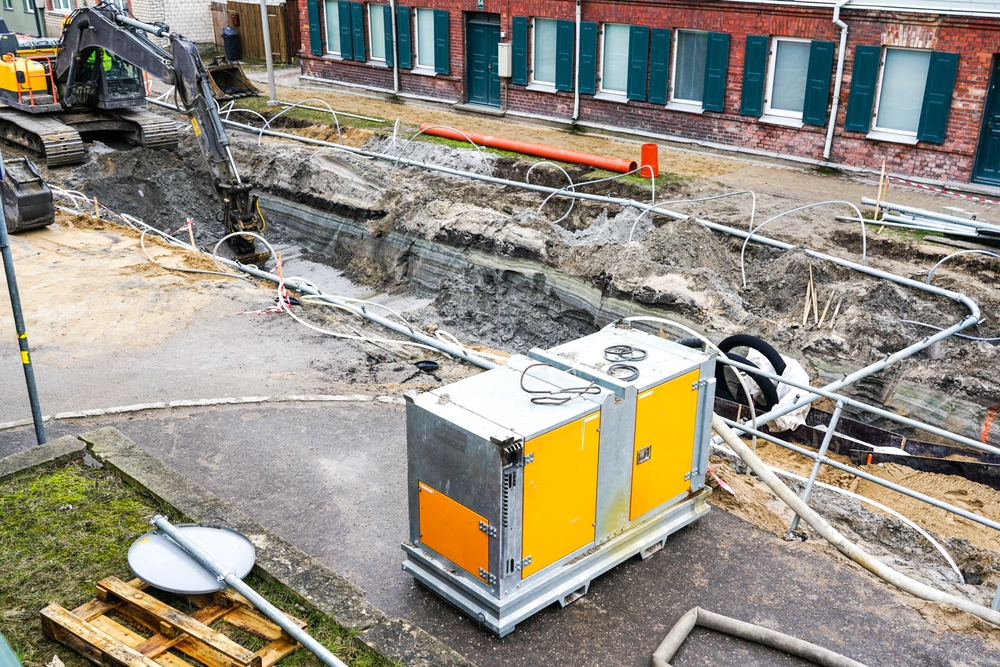
After the initial evaluation, a dewatering strategy is chosen based on material characteristics. Common methods include centrifuges, belt presses, screw presses, or geotextile tubes. The equipment is brought on-site using mobile units, often trucks outfitted with specialized machinery. Once the sludge is treated, the remaining solids are collected for disposal or reuse, and the water is typically filtered for safe discharge or repurposing.
The expertise of the operator is crucial. Effective sludge dewatering services require not just the right equipment, but also trained professionals who understand local regulations, environmental risks, and how to manage waste according to best practices. In Ohio, contractors must often coordinate with local and state agencies to ensure that discharge permits and environmental standards are met.
Why Mobile Dewatering Is a Smart Choice in Ohio
Ohio’s mix of rural, suburban, and industrial landscapes presents unique challenges for property owners. Heavy clay soils, frequent rainfall, and aging infrastructure can all lead to problems with standing water and sludge accumulation. Mobile dewatering provides a flexible solution, allowing for rapid deployment to construction sites, wastewater treatment facilities, or even residential properties experiencing drainage issues.
Because mobile dewatering units are self-contained and transportable, they eliminate the need for expensive and time-consuming hauling of wet materials. This is particularly valuable in rural parts of Ohio, where access to central treatment facilities may be limited. The ability to handle the dewatering process on-site means that jobs can be completed faster and more efficiently, with less environmental impact.
Moreover, Ohio property owners must contend with seasonal issues such as spring thaw or fall rains, which can exacerbate drainage and water retention problems. Mobile dewatering services are ideal in these scenarios, offering responsive, on-demand assistance. Whether the need arises from a natural disaster or planned development, this technology ensures that water management remains under control.
Choosing the Right Contractor for Sludge Dewatering Services
Hiring the right mobile dewatering provider in Ohio involves more than a quick online search. Property owners must evaluate credentials, equipment, experience, and familiarity with local environmental regulations. Contractors should have a proven track record of handling a range of sludge types and be equipped to tailor their services to the specific needs of a site.
Ask about the types of dewatering equipment available and how they decide which method is appropriate. A reputable contractor will be transparent about their process, expected outcomes, and any potential risks. It’s also essential to ensure that the service provider is licensed and insured within Ohio. This protects the property owner from liability in the event of environmental or mechanical issues during the project.
Client references and project histories offer further insight. Contractors who have worked with municipalities, large-scale construction firms, or industrial clients are more likely to have the expertise required for complex or sensitive jobs. Pay attention to how they handle waste disposal as well, since improper disposal of sludge can violate Ohio EPA guidelines and result in costly penalties.
Furthermore, look for providers that offer post-service documentation, including reports on water quality, solids content, and disposal practices. These records are useful for regulatory compliance and provide peace of mind that the work was completed correctly. In a field where oversight is essential, thorough documentation reflects a commitment to accountability and professionalism.
Legal and Environmental Considerations in Ohio
Ohio’s environmental framework requires that any operation involving sludge or wastewater discharge be carefully managed. The Ohio Environmental Protection Agency (Ohio EPA) sets specific guidelines for dewatering practices, discharge limits, and handling of biosolids. Property owners must ensure that any hired dewatering contractor operates within this legal framework.
Permits may be required depending on the scale of the dewatering project and whether any of the treated water will be discharged into public waterways. In some cases, temporary discharge permits are issued, but only after demonstrating that the effluent meets acceptable quality standards. This is where experienced sludge dewatering services are essential; they not only perform the physical work but help navigate the permitting process.
Additionally, Ohio law may require documentation of where and how solids are disposed. Dewatered sludge can sometimes be recycled for agricultural use if it meets Class A or B biosolid standards, but more often, it must be transported to a landfill or incinerator. The property owner remains responsible for any violations, so hiring a contractor with environmental compliance expertise is non-negotiable.
There’s also the issue of community impact. Odor, noise, and truck traffic are all considerations when bringing dewatering equipment on-site. Professional mobile dewatering services take steps to mitigate these effects by using enclosed systems, maintaining clean job sites, and coordinating logistics efficiently. For Ohio property owners in residential or commercial areas, minimizing neighborhood disruption is another important factor.
Conclusion
Mobile dewatering has become an indispensable tool for property owners across Ohio. Whether you’re managing stormwater runoff, remediating industrial waste, or preparing a construction site, sludge dewatering services offer an efficient, compliant, and cost-effective solution. The flexibility of mobile units means projects can move forward quickly, without the delays and costs of off-site processing.
Before hiring a contractor, property owners must do their due diligence. This includes evaluating the provider’s equipment, experience, environmental credentials, and understanding of local laws. In a state where environmental compliance is tightly regulated and weather patterns are unpredictable, mobile dewatering is more than a convenience; it’s a necessity.
By working with qualified professionals, Ohio property owners can ensure their sites remain safe, compliant, and ready for future development. As demand for sustainable water management grows, investing in mobile dewatering services stands out as a forward-thinking choice for responsible property stewardship.
Need Septic Contractors in Bethel, OH?
Gullett Sanitation Services, Inc. offers mobile de-watering of sludge and slurries in and around Bethel, OH, utilizing Roediger belt filter presses, as well as services and repairs on all major brands of home aeration systems. We also work with jet aeration and cleaning for sewer system lines (up to 8 inches in diameter), permits and consultation for biosolids, the transportation of non-hazardous wastewater, sludge removal from all types of waste lagoons, service and repairs on residential sewer systems, and the removal of grit, rags, and debris from anaerobic or aerobic digesters. Give us a call today and let us be your septic and dewatering service in Ohio!