
If you’ve ever managed a job site in Southwest Ohio during the rainy months, you already know how quickly progress can grind to a halt. One solid storm can turn a carefully graded excavation into a muddy mess, stall foundation work, and push timelines further than anyone would like. For general contractors, developers, site engineers, and property owners across Bethel and the greater Cincinnati Metro area, water is not just an inconvenience. It is a serious project variable that needs to be managed strategically.
That is exactly why construction dewatering in Ohio plays such a critical role in site preparation. When groundwater rises or heavy rains saturate the soil, the ability to remove water efficiently and responsibly can mean the difference between staying on schedule and losing valuable days or even weeks. Especially in Southwest Ohio, where clay-heavy soils and fluctuating weather patterns are common, dewatering is not optional. It is a core component of successful excavation and site work.
The Challenge of Ohio’s Wet Season for Active Jobsites
Ohio’s wet season does not just bring a little extra rain. It often brings consistent precipitation, saturated ground conditions, and unpredictable groundwater levels. In Bethel and surrounding communities, construction crews regularly encounter water pooling in excavations, trenches collapsing from oversaturation, and unstable subgrades that cannot support equipment or foundation work.
When water infiltrates a jobsite, it affects every layer of progress. Excavation slows because equipment struggles in soft soil. Footings and foundations cannot be poured in standing water. Utility installations become hazardous when trenches fill up faster than crews can work. Even access roads and staging areas can become unusable if drainage is not properly controlled.
For developers working on tight project timelines, these delays ripple outward. Subcontractors must be rescheduled. Inspections get pushed back. Financing milestones may be affected. This is where professional construction site dewatering solutions for better project timelines in Ohio come into play. By proactively addressing groundwater and stormwater accumulation, contractors can stabilize the site and keep the build moving forward.
Dewatering as a Foundation for Safe Excavation and Utility Installation
Before a single foundation wall goes up or a utility line is installed, the ground beneath must be stable, compacted, and dry enough to meet engineering specifications. Dewatering is often the first major step in achieving that condition.
When excavation begins for basements, commercial foundations, or underground utilities, crews frequently encounter groundwater. In areas around Cincinnati and throughout Southwest Ohio, high water tables and clay soils can trap moisture below grade. Without proper water removal, trenches can cave in, and foundation bases can shift or settle unevenly.
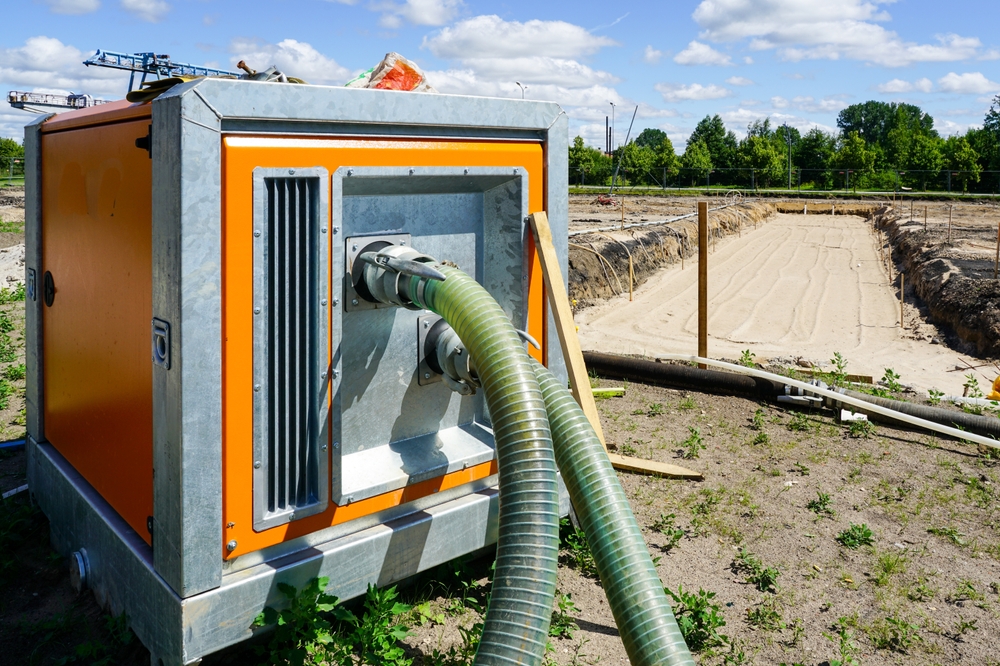
Professional construction dewatering in Ohio involves more than simply pumping water off the surface. It requires understanding soil conditions, groundwater flow, and discharge regulations. Pumps, hoses, and containment systems must be strategically placed to lower water levels safely while protecting surrounding properties and infrastructure.
Gullett Sanitation Services plays a key role in this stage of site development. With decades of experience serving multiple counties throughout the region, their team understands how local soil and drainage patterns behave during wet conditions. Their equipment capabilities allow them to handle everything from large-scale excavation sites to smaller residential developments in Bethel and nearby communities. By removing excess water quickly and efficiently, they help create a stable environment where foundation work and utility installation can proceed with confidence.
Wastewater Management and Sludge Disposal: The Overlooked Pieces of Site Prep
Dewatering is only part of the equation. Once water is removed from a job site, it must be handled responsibly. That is where wastewater management services become essential.
Water extracted from construction sites often contains sediment, sludge, and other materials that cannot simply be discharged without proper handling. Sludge accumulation in excavated areas can complicate site grading and create environmental compliance issues if not managed correctly. Developers and contractors need a partner who can not only remove water but also manage what comes with it.
Wastewater hauling and sludge disposal are critical components of comprehensive site preparation. By coordinating removal, transport, and proper disposal, Gullett Sanitation Services supports broader construction efforts beyond just pumping water. Their team ensures that sediment-laden water and accumulated sludge are handled according to local and state regulations, protecting both the project and the surrounding community.
This level of service is particularly valuable in densely developed areas of the Cincinnati Metro region, where environmental oversight and stormwater compliance requirements can be stringent. Having a licensed provider operating across multiple counties gives contractors peace of mind. It reduces the risk of costly compliance violations and keeps the focus where it belongs: completing the project on time.
Protecting Project Timelines and Budgets in Southwest Ohio
In construction, time truly is money. When a site sits idle due to standing water, the financial impact extends well beyond the immediate cost of labor. Equipment rentals continue. Subcontractors must adjust their schedules. Weather windows for concrete pours or asphalt installation may be missed.
Construction site dewatering solutions for better project timelines in Ohio are not just about removing water. They are about preserving momentum. By acting quickly after heavy rainfall or proactively managing groundwater during excavation, contractors can maintain steady progress even during Ohio’s wettest months.
Across Bethel and the broader Southwest Ohio region, Gullett Sanitation Services has built a reputation for reliability. Decades of consistent service mean they understand the urgency that comes with active jobsites. Their equipment fleet is designed to handle significant volumes of water and sludge, allowing them to respond to both planned dewatering needs and emergency situations.
For site engineers and property owners, this reliability translates into fewer surprises. Instead of scrambling after a storm, teams can integrate dewatering into their site plans from the beginning. That strategic approach not only stabilizes soil conditions but also helps protect structural integrity, ensuring foundations and utilities are installed in conditions that meet engineering standards.
Why Partnering with a Local, Licensed Provider Makes the Difference
While dewatering equipment may look straightforward, effective site water management requires experience, local knowledge, and proper licensing. Southwest Ohio’s soil types, drainage patterns, and regulatory requirements are unique. Working with a provider that operates regularly in Bethel, the Cincinnati Metro area, and surrounding counties offers a clear advantage.
Gullett Sanitation Services brings decades of regional expertise to each project. Their licensed operations across multiple counties demonstrate a commitment to compliance and professionalism. For general contractors and developers juggling multiple moving parts, having a trusted partner who understands both the technical and regulatory aspects of wastewater management services can simplify an otherwise complex process.
Beyond water removal, their site cleanup expertise ensures that projects move seamlessly from excavation to foundation work and beyond. Clearing sludge, managing wastewater hauling, and restoring safe working conditions help maintain productivity across the entire construction cycle.
In an industry where schedules are tight and margins matter, choosing the right partner for construction dewatering in Ohio is not a minor decision. It is a strategic one. From early excavation through final site stabilization, effective water management supports structural integrity, regulatory compliance, and efficient project execution.
As Ohio’s wet season returns year after year, contractors and developers across Southwest Ohio face the same challenge. The difference lies in preparation. By integrating professional dewatering and wastewater management into your site prep strategy, you reduce risk, protect your timeline, and create a safer, more stable foundation for every project. For those building in Bethel, Cincinnati, and surrounding communities, that preparation can make all the difference between a stalled job site and a successful, well-managed build.