
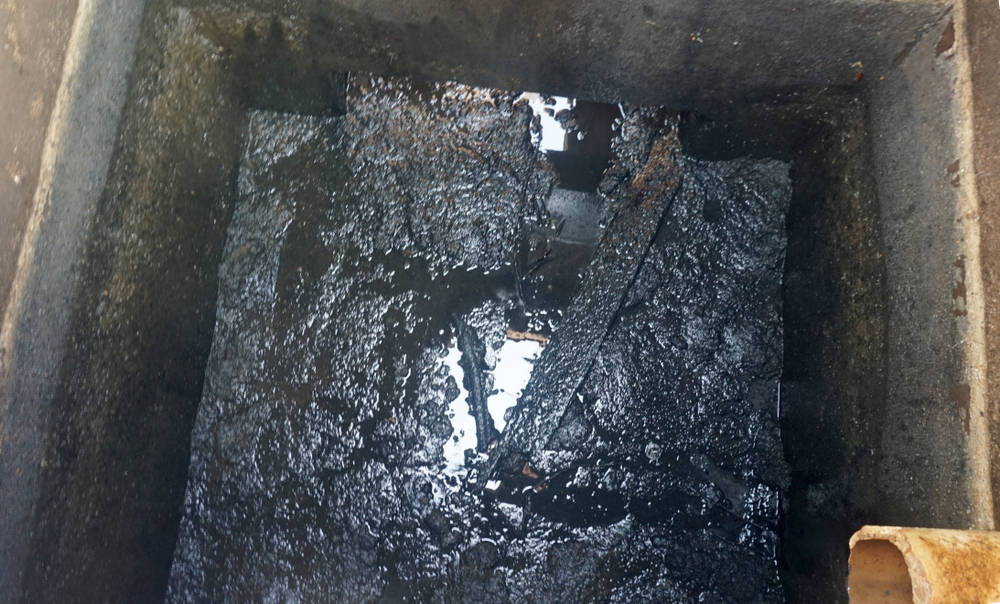
Sludge disposal is not simply a matter of removing material from a tank and hauling it away. For wastewater facilities, municipalities, industrial sites, and other operations around Bethel, Clermont County, and southwest Ohio, the type of sludge, its characteristics, and its final destination can determine which handling and regulatory requirements apply.
Quick answer: Sludge disposal in Ohio generally requires the waste to be identified and characterized, handled without creating unauthorized discharges or environmental hazards, and transported to an appropriate facility or managed through an authorized beneficial-use pathway when eligible. Sewage sludge and biosolids are regulated through Ohio EPA programs, while other industrial or residual wastes may fall under different requirements. The correct disposal method depends on the material and its regulatory classification.
What local operators should know
-
Sewage sludge and biosolids are not automatically interchangeable terms. Treatment and quality affect how material can be managed.
-
Ohio EPA regulates the treatment, storage, transfer, disposal, and beneficial use of sewage sludge and biosolids through applicable permits and rules.
-
Facilities around Bethel and Clermont County should determine the characteristics and destination of sludge before arranging transportation or disposal.
-
Landfill disposal, transfer to another permitted treatment facility, and beneficial use can involve different requirements.
-
Records, analytical results, facility acceptance criteria, and applicable permits can all be part of a compliant sludge-management process.
Why Sludge Disposal Requirements Matter in Southwest Ohio
Sludge disposal requirements matter in southwest Ohio because improper handling can affect surface water, groundwater, neighboring properties, and a facility’s regulatory compliance. The region includes communities, agricultural land, streams, and wastewater infrastructure throughout Clermont County and neighboring Brown County, making controlled handling and an appropriate disposal destination especially important.
Ohio EPA’s biosolids program regulates sewage sludge disposal and the beneficial use of biosolids generated by non-industrial wastewater treatment plants in the state. Current Ohio Administrative Code requirements also address treatment, storage, transfer, disposal, reporting, odors, and beneficial use.
For organizations near Bethel, Amelia, Williamsburg, New Richmond, and other Clermont County communities, planning ahead can help avoid situations where sludge accumulates faster than an approved outlet can accept it.
Gullett Sanitation Services Inc serves the Bethel area, and we understand that sludge removal is only one part of the job. Our customers also need to consider what the material is, where it can legally go, and what information may be required before it is accepted.
Ohio Sludge Regulations and Current Compliance Requirements
Ohio sludge regulations require facilities to manage sewage sludge and biosolids according to applicable Ohio EPA rules, permits, and site-specific conditions. The exact obligations depend on the source of the material, how it has been treated, whether beneficial use is proposed, and where the material will ultimately be managed.
Ohio Administrative Code Chapter 3745-40 establishes requirements concerning sewage sludge and biosolids. Current rules allow Ohio EPA to establish permit conditions for treatment, storage, transfer, disposal, beneficial use, periodic reporting, odor management, and operating procedures.
The rules also give Ohio EPA enforcement authority when regulated activities do not comply. Depending on the circumstances, actions can include permit modifications, denial or revocation, additional compliance conditions, or requirements to address nuisance odors.
Operators should verify requirements for their specific waste stream and facility rather than assuming a disposal practice used elsewhere automatically applies to their operation.
Common Sludge Disposal Methods in Ohio
Common sludge-management methods in Ohio include transfer to another permitted facility, landfill disposal when the receiving landfill can accept the material, and beneficial use of qualifying biosolids. These are not interchangeable options, and the appropriate route depends on the sludge and applicable regulatory requirements.
Transfer to another permitted facility
A treatment works may have arrangements for another appropriately permitted facility to accept its sewage sludge. This can provide an outlet when on-site treatment or storage capacity is limited.
Landfill disposal
Landfill disposal can be an option when the material meets the receiving facility’s requirements. Ohio’s current biosolids storage rule specifically recognizes an effective landfill contract as one potential alternative to certain facility storage requirements for treatment works, subject to the rule’s conditions.
Beneficial use
Properly treated biosolids may qualify for beneficial use under Ohio EPA requirements. This pathway is regulated and should not be treated as ordinary disposal. Approved sites, treatment standards, management requirements, and permit conditions may apply.
Other waste-management pathways
Industrial sludge is not automatically governed by the same requirements as sewage sludge or biosolids. The generating process and characteristics of the waste need to be evaluated to determine the applicable Ohio requirements.
Warning Signs Your Sludge Management Plan Needs Attention
A sludge management plan needs attention when storage, documentation, waste characteristics, or disposal arrangements no longer match actual operating conditions. Catching these issues early can give a facility more time to identify an acceptable outlet before sludge accumulation becomes an operational problem.
Watch for:
-
Sludge storage approaching the facility’s planned or permitted capacity.
-
A receiving facility requesting updated analytical results or waste information.
-
Changes in the process that generates the sludge.
-
Uncertainty about whether the material is sewage sludge, biosolids, industrial waste, or another regulated waste.
-
Odor problems developing during storage or handling.
-
A disposal or treatment facility changing its acceptance requirements.
-
Missing hauling, disposal, analytical, or other required records.
-
A planned beneficial-use location that has not received the necessary authorization.
When to Call a Professional for Sludge Removal
Professional sludge-removal assistance is appropriate when material must be pumped, contained, transported, or delivered to an acceptable receiving facility. Facility personnel can monitor storage levels and maintain operating records, but transportation and disposal should be planned around the waste characteristics and requirements of the receiving destination.
Around Bethel and greater Clermont County, waiting until a tank or storage area is nearly full can reduce scheduling flexibility. Advance planning gives operators time to confirm the destination, gather required information, and coordinate removal around plant or business operations.
If the sludge has unknown characteristics or there is uncertainty about its classification, determine those requirements before assuming a disposal route is available.
Common Compliance Problems With Ohio Sludge Disposal
Common sludge-disposal problems include misidentifying the waste, selecting a destination before confirming acceptance, allowing storage to become an operational issue, and maintaining incomplete records. Each can complicate disposal for southwest Ohio facilities.
Mistake: Assuming all sludge is managed the same way.
Consequence: The selected facility or management method may not be appropriate.
Better approach: Identify the source and characteristics of the material first.
Mistake: Scheduling hauling before confirming the receiving destination.
Consequence: A load may not meet facility acceptance requirements.
Better approach: Confirm acceptance criteria and required documentation before removal.
Mistake: Waiting until storage capacity is nearly exhausted.
Consequence: Operators have fewer options if scheduling, testing, or facility availability changes.
Better approach: Monitor accumulation and arrange service with adequate lead time.
Mistake: Treating beneficial use like unrestricted disposal.
Consequence: Applicable site, permit, treatment, or management requirements can be overlooked.
Better approach: Verify Ohio EPA requirements before pursuing beneficial use.
Sludge Storage and Disposal Planning
Effective sludge disposal planning starts before storage capacity becomes a problem and includes a defined destination, adequate storage, and appropriate records. Ohio rules include specific storage provisions for sewage sludge and biosolids at regulated treatment works.
Current Ohio Administrative Code requirements generally call for facility storage that protects human health and the environment, prevents impacts to waters of the state and conduits, and minimizes nuisance odors. The rule generally addresses 120 days of biosolids storage for treatment-works design capacity, while also providing mechanisms for Ohio EPA-approved alternatives, including qualifying contracts with landfills or other NPDES-permitted facilities.
Because permit-specific conditions can differ, operators should check their own permit and current Ohio EPA requirements rather than relying on the general rule alone.
Common Local Scenario
A common local sludge-disposal scenario involves a Clermont County facility seeing storage levels rise while its normal disposal or treatment outlet has limited availability. This is not a case study, but it illustrates why advance planning matters.
The facility first needs to understand the sludge and confirm which destination can accept it. Required records or analytical information should be assembled before hauling begins. Once acceptance and transportation are coordinated, removal can be scheduled to reduce disruption to the operation.
This process is considerably easier when started before storage reaches a critical level.
Related Sludge Removal and Transportation Solutions
Sludge removal services help facilities move accumulated material from tanks or storage areas to an appropriate receiving destination as part of a planned waste-management process. Depending on the operation, service may involve pumping, hauling, transportation coordination, and recurring removal scheduling.
We can help local customers evaluate the practical logistics involved in removing accumulated material and planning service around their operations.
Comparing Sludge Disposal Options
The right sludge disposal option depends on material classification, treatment, receiving-facility requirements, and applicable Ohio EPA rules. Cost and convenience matter, but they should be considered only after determining which options are appropriate for the material.
| Option | Potential Fit | Key Consideration |
|---|---|---|
| Permitted facility transfer | Sludge accepted for further treatment or management | Facility acceptance and applicable permit requirements |
| Landfill disposal | Material accepted by an appropriate landfill | Waste characteristics and landfill acceptance criteria |
| Beneficial use | Qualifying treated biosolids | Ohio EPA requirements and applicable site authorization |
| On-site storage before removal | Temporary management while awaiting an outlet | Capacity, environmental protection, odors, and permit conditions |
Sludge Disposal Service Areas Near Bethel
Sludge disposal planning in the Bethel area may serve facilities throughout Clermont County and nearby southwest Ohio communities. Depending on service availability and the receiving destination, this can include areas around Williamsburg, Amelia, New Richmond, and neighboring Brown County.
The appropriate destination should always be based on the material and applicable requirements, not simply which disposal site is geographically closest.
The Cost of Delaying Sludge Removal
Delaying sludge removal can reduce storage flexibility, complicate facility operations, and leave less time to address testing or receiving-facility requirements. For local wastewater and commercial operations, a planned removal schedule is generally easier to manage than trying to find an outlet after storage becomes urgent.
Ohio EPA rules also provide enforcement mechanisms for noncompliance with applicable sewage sludge and biosolids requirements. Staying ahead of storage and disposal needs helps keep operational problems from becoming compliance problems.
Frequently Asked Questions About Sludge Disposal in Ohio
Who regulates sewage sludge disposal in Ohio?
Ohio EPA regulates sewage sludge and biosolids management under applicable state environmental rules and permits. Chapter 3745-40 of the Ohio Administrative Code addresses areas including treatment, storage, transfer, disposal, beneficial use, and compliance. Other types of sludge may be regulated differently based on their source and characteristics.
Can sludge from a Bethel facility simply be taken to a landfill?
No, a Bethel facility should not assume that its sludge can automatically go to any landfill. The waste must be appropriate for the destination, and the receiving facility may have acceptance criteria or documentation requirements. Operators should confirm the disposal pathway before arranging transportation.
Are sewage sludge and biosolids the same thing in Ohio?
No, the terms should not automatically be treated as identical for compliance purposes. Biosolids are associated with treated sewage sludge that meets applicable requirements for beneficial use. Ohio’s rules contain specific definitions and management provisions, so facilities should use the correct classification for their material.
Can biosolids be land applied in Clermont County?
Beneficial use may be possible at appropriately authorized locations when the biosolids and site meet Ohio requirements. Ohio EPA maintains information on approved biosolids application fields, and applicable treatment, management, permit, and site requirements must be satisfied before land application occurs.
How should a southwest Ohio facility prepare for sludge hauling?
Start by confirming the sludge characteristics, receiving destination, acceptance requirements, and available storage capacity. Facilities around Clermont County should also have relevant records or analytical information ready when required. Planning removal before storage becomes critical provides more flexibility if testing, scheduling, or facility availability changes.
Does Ohio require facilities to store sewage sludge or biosolids?
Ohio rules contain storage requirements for regulated treatment works, including provisions addressing storage capacity and environmental protection. Current requirements generally address 120 days of biosolids storage based on design capacity, with certain alternatives that Ohio EPA may approve. A facility’s specific permit and circumstances should be reviewed.
What happens if sludge creates odor problems in Ohio?
Ohio EPA can require measures to minimize or eliminate nuisance odors associated with regulated sewage sludge or biosolids activities. Current rules allow the agency to impose conditions and take compliance action when necessary. Proper storage, timely removal, treatment, and operating practices can therefore be important parts of odor management.
How often should a Bethel-area facility schedule sludge removal?
The appropriate frequency depends on how quickly sludge accumulates, available storage, operating conditions, and the receiving facility’s availability. Instead of waiting for storage to become full, Bethel-area operators can track accumulation rates and plan recurring removal with enough lead time to address disposal and documentation requirements.
Keep Sludge Removal Planned, Documented, and Compliant
For facilities in Bethel and surrounding southwest Ohio communities, responsible sludge disposal begins with understanding the material and choosing an appropriate management pathway. Good planning can make removal more predictable while helping operators protect storage capacity and meet applicable requirements.
Plan Your Next Sludge Removal Before Capacity Becomes a Problem
We help area facilities coordinate practical sludge removal and hauling while keeping the receiving destination and disposal requirements in focus.