
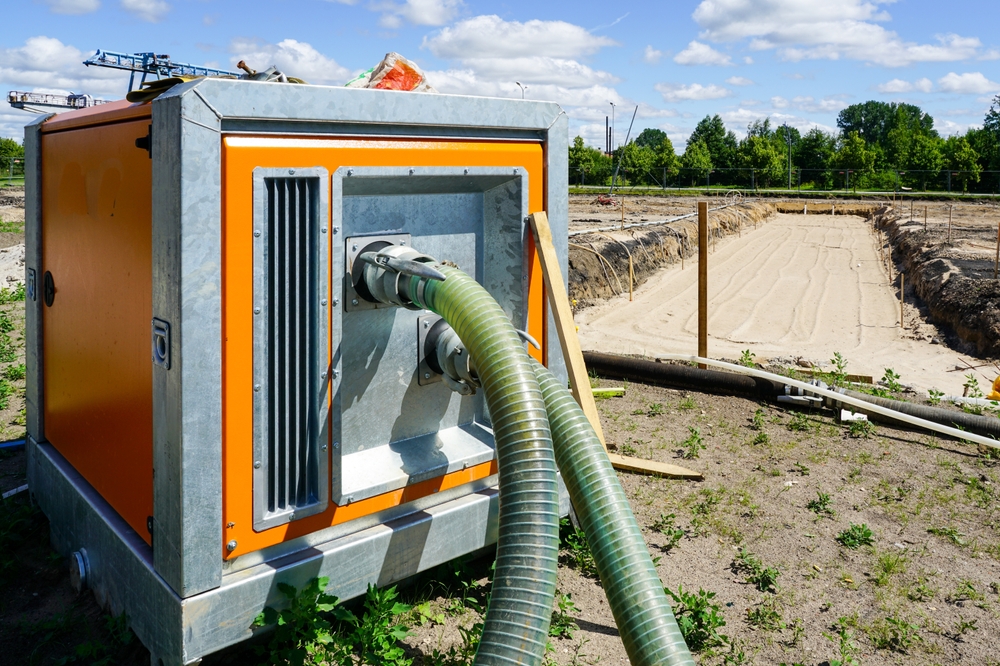
Construction projects in Central Ohio often begin with one challenge that cannot be ignored: groundwater. Whether preparing a commercial foundation, installing underground utilities, or excavating for new development, excess water can quickly slow progress and create unsafe working conditions. Proper construction dewatering helps keep projects on schedule while protecting workers, equipment, and the long-term stability of the site.
Quick Answer
Construction dewatering is required because it removes groundwater and surface water from excavation areas, allowing contractors to build on stable, dry ground. In Central Ohio, clay soils, seasonal rainfall, and fluctuating groundwater levels make dewatering an essential step for many commercial and infrastructure projects.
What Local Readers Should Know
-
Construction dewatering creates safer excavation conditions by reducing standing water and unstable soil.
-
Central Ohio’s clay-heavy soils can become saturated quickly after rainfall, making water management especially important.
-
Building projects in Franklin County, Delaware County, and surrounding communities often require temporary dewatering during excavation.
-
Proper water handling helps protect nearby properties, roadways, and utilities from unnecessary damage.
-
Dewatering can improve project timelines by reducing weather-related delays.
Why This Matters Locally
Construction throughout Central Ohio takes place under a wide range of soil and weather conditions. Communities such as Columbus, Dublin, Westerville, Grove City, and Hilliard continue to see commercial growth, infrastructure improvements, and new residential development.
Spring rains, summer storms, and naturally occurring groundwater can create difficult excavation conditions. Combined with the region’s dense clay soils, water can remain trapped in excavations unless it is properly removed. Contractors working near the Scioto River, Olentangy River, Alum Creek, or low-lying areas often face additional groundwater challenges.
For projects throughout the region, managing water is not simply about convenience. It is an important part of maintaining safety, protecting investments, and meeting construction schedules.
At Gullett Sanitation Services Inc, we understand how important dependable dewatering solutions are for keeping projects moving efficiently throughout Central Ohio.
Local Field Observations
Professional experience across Central Ohio consistently shows that groundwater conditions can vary dramatically from one project to another. Even nearby job sites may require different dewatering strategies depending on soil composition, recent rainfall, excavation depth, and nearby drainage patterns.
Construction teams often encounter:
-
Water entering excavations after overnight rain
-
Slow-draining clay soils
-
Groundwater seeping into utility trenches
-
Muddy working conditions that reduce equipment efficiency
-
Standing water delaying inspections or concrete placement
These field observations highlight why dewatering plans should be tailored to each project.
Local Impact
Poor water management affects nearly every phase of construction.
Standing water can delay excavation, increase labor costs, damage equipment access routes, and make it difficult to achieve proper soil compaction. Wet soil may also affect foundation preparation, underground utility installation, and pavement construction.
For developers, municipalities, and commercial contractors throughout Central Ohio, even small delays can impact multiple subcontractors and project milestones.
Warning Signs That Dewatering May Be Needed
Several conditions indicate that construction dewatering should be considered before work continues.
-
Water continuously accumulates inside excavations.
-
Soil becomes soft or unstable after excavation.
-
Equipment repeatedly gets stuck in muddy conditions.
-
Groundwater seeps through trench walls.
-
Standing water returns shortly after pumping.
-
Concrete or foundation work cannot begin because surfaces remain wet.
-
Excavation walls begin showing signs of instability.
When to Call a Professional
Construction dewatering should be handled by professionals whenever groundwater continues entering an excavation or when water affects worker safety, project schedules, or soil stability.
Contractors may be able to remove minor rainwater temporarily, but ongoing groundwater issues usually require properly sized pumps, discharge planning, and experienced management to maintain safe working conditions throughout the project.
Common Local Causes of Construction Water Problems
Construction dewatering is often necessary because of several common Central Ohio conditions.
1. Clay-Dominated Soils
Clay soils absorb water slowly and drain poorly, allowing water to remain trapped around excavation sites.
2. Seasonal Rainfall
Heavy spring precipitation and summer thunderstorms frequently interrupt excavation work throughout the region.
3. High Groundwater
Certain locations naturally experience groundwater close to the surface, especially near rivers, streams, and drainage corridors.
4. Deep Excavations
Utility installations, foundation work, and underground structures often extend below the groundwater table.
5. Limited Surface Drainage
Urban construction sites may have limited opportunities for natural runoff, making temporary pumping systems necessary.
Prevention and Maintenance
Proper planning reduces many construction water challenges before excavation begins.
Helpful practices include:
-
Reviewing site drainage before excavation.
-
Monitoring weather forecasts during major earthwork.
-
Installing temporary dewatering equipment before groundwater becomes a problem.
-
Inspecting pumps and discharge systems regularly.
-
Adjusting pumping strategies as excavation depth changes.
While contractors can monitor changing site conditions, large-scale groundwater management should be coordinated with experienced dewatering professionals.
Expected Results
When construction dewatering is properly managed, contractors can expect:
-
Safer excavation conditions
-
More stable soil for construction
-
Improved equipment access
-
Fewer weather-related delays
-
Better preparation for foundations and underground utilities
-
More predictable construction schedules
Actual results depend on site conditions, groundwater levels, and project scope.
Common Mistakes
Waiting Until Water Becomes a Problem
Consequence: Excavation delays and unsafe working conditions.
Better Approach: Plan dewatering before excavation begins whenever groundwater is expected.
Using Undersized Pumps
Consequence: Water continues entering the excavation faster than it can be removed.
Better Approach: Match equipment capacity to actual site conditions.
Ignoring Soil Conditions
Consequence: Soft ground may remain unstable even after visible water is removed.
Better Approach: Evaluate both groundwater and soil stability together.
Improper Water Discharge
Consequence: Runoff may create erosion or affect nearby work areas.
Better Approach: Follow proper discharge planning for the project site.
Common Local Scenario
A commercial contractor begins excavating for a new building in Central Ohio during early spring. Overnight rainfall combines with naturally occurring groundwater, leaving several feet of standing water inside the excavation.
Temporary pumping alone is not enough because groundwater continues entering the site throughout the day. A properly planned construction dewatering system keeps the excavation dry, allowing foundation work to continue while maintaining safer working conditions for the construction crew.
Related Service Solutions
Construction dewatering often works alongside other temporary jobsite services, including:
-
Temporary pump rentals
-
Water management planning
-
Temporary sanitation services
-
Construction site support
-
Portable restroom services for active job sites
-
Waste management solutions for construction projects
Comparing Your Options
| Option | Advantages | Limitations |
|---|---|---|
| Temporary pumping only | Works for minor rainwater | May not control continuous groundwater |
| Professional construction dewatering | Better groundwater control, improved safety, supports project schedules | Requires planning and specialized equipment |
| Waiting for natural drying | No equipment needed | Can significantly delay construction |
Service Areas
We proudly support construction projects throughout Central Ohio, including Columbus, Dublin, Grove City, Westerville, Hilliard, Delaware County, Franklin County, and surrounding communities. Our services help contractors maintain productive, safer job sites across the region.
Cost of Ignoring the Issue
Delaying construction dewatering can increase project costs through schedule delays, equipment downtime, unstable excavations, and additional site preparation work. Addressing groundwater early often helps avoid more significant disruptions later in the project.
Frequently Asked Questions
Why is construction dewatering necessary in Central Ohio?
Construction dewatering is necessary because groundwater and seasonal rainfall frequently create wet excavation conditions. Central Ohio’s clay soils often retain moisture, making temporary water removal essential for many building projects.
Does every construction project in Columbus require dewatering?
No. Not every project requires dewatering, but many excavations below the groundwater level or in poorly drained soils benefit from temporary water management.
Can heavy rain delay construction in Franklin County?
Yes. Heavy rainfall can quickly fill excavations, soften soil, and delay foundation work unless proper dewatering measures are already in place.
What types of projects commonly need construction dewatering?
Commercial buildings, utility installations, road improvements, underground infrastructure, retaining walls, and deep foundation projects often require temporary groundwater removal.
Is dewatering only used during excavation?
No. Dewatering may continue during several phases of construction until permanent drainage systems or foundations are complete.
How does clay soil affect construction in Central Ohio?
Clay soil drains slowly and holds moisture for extended periods. This creates muddy conditions that often require temporary pumping and groundwater management during excavation.
Can dewatering improve project safety?
Yes. Removing excess water helps reduce slip hazards, supports excavation stability, and creates safer working conditions for construction crews.
When should contractors arrange dewatering services?
Construction dewatering should be planned before excavation begins whenever groundwater or poor drainage is expected. Early planning helps reduce delays and improve project efficiency.
Closing
Groundwater is a common part of construction throughout Central Ohio, but it does not have to become a costly obstacle. Proper construction dewatering helps contractors maintain safer work sites, protect schedules, and build on stable ground despite changing weather and soil conditions.
Keep Your Construction Project Moving Forward
Reliable construction dewatering helps create safer, more efficient job sites across Central Ohio.