
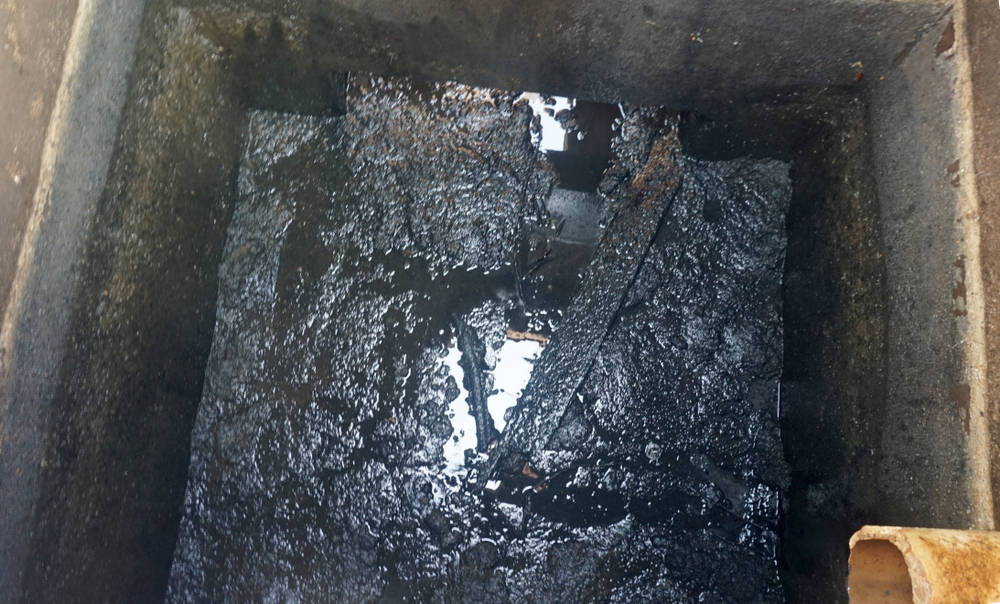
Many homeowners in Bethel, OH rely on septic systems instead of municipal sewer service, making proper maintenance essential for protecting both the home and the surrounding property. From heavy spring rain to aging rural septic systems, local conditions can increase the risk of costly failures if small problems are overlooked.
Quick Answer
The most common septic problems in Bethel, OH include clogged drain fields, overflowing tanks, tree root intrusion, damaged pipes, and systems overwhelmed by excess water. Regular inspections, timely pumping, water conservation, and early repairs can help prevent expensive emergencies while extending the life of your septic system.
What Local Readers Should Know
-
Septic tanks should be inspected regularly to identify developing issues before they become major repairs.
-
Heavy rainfall across Clermont County can saturate drain fields and reduce their ability to treat wastewater effectively.
-
Older homes throughout Bethel and nearby rural communities may have aging septic systems that require closer monitoring.
-
Flushing non-biodegradable products or excessive household chemicals can damage your septic system over time.
-
Preventive septic maintenance is almost always less expensive than emergency septic repairs.
Why This Matters Locally
Major septic problems affect more than just plumbing. In rural communities like Bethel, Williamsburg, Hamersville, and surrounding parts of Clermont County, many homes depend entirely on private septic systems. Soil conditions, changing weather patterns, mature trees, and seasonal rainfall all influence how well these systems perform.
Gullett Sanitation Services Inc understands these local conditions because we serve homeowners throughout the area. Our goal is to help property owners recognize warning signs early so they can avoid unnecessary repairs and keep their septic systems operating efficiently.
Local Data or Field Observations
Professional field observation suggests that many septic service calls begin with issues that could have been identified much earlier. Slow drains, standing water, unpleasant odors, or infrequent pumping often develop gradually before becoming major system failures. Rural properties with older systems may be especially vulnerable if routine maintenance has been delayed.
Local Impact
Major septic problems can disrupt daily life quickly. Homeowners may experience backed-up drains, sewage odors, soggy yards, or wastewater surfacing above the drain field. Beyond inconvenience, untreated issues can lead to property damage, expensive excavation, and extended system downtime.
Local weather also plays a role. Periods of prolonged rain can saturate the soil surrounding drain fields, reducing their ability to properly disperse treated wastewater. Combined with increased household water usage, this can place additional stress on an already aging septic system.
Warning Signs
Major septic problems often begin with smaller warning signs, including:
-
Slow draining sinks, tubs, or showers.
-
Toilets that flush slowly or back up frequently.
-
Gurgling sounds coming from plumbing fixtures.
-
Sewage odors inside or outside the home.
-
Standing water near the septic tank or drain field.
-
Bright green patches of grass over the drain field during dry weather.
-
Wastewater backing up into household drains.
If several of these symptoms appear together, professional inspection is recommended as soon as possible.
When to Call a Professional
Persistent septic problems usually require professional evaluation. While homeowners can monitor water usage, avoid flushing harmful materials, and watch for warning signs, diagnosing drain field failures, damaged pipes, or tank issues requires specialized equipment and experience.
If wastewater is backing up, standing water develops around the septic system, or strong sewage odors persist, delaying service may increase repair costs.
Common Local Causes
The most common causes of septic problems in the Bethel area include:
1. Infrequent Pumping
Overfilled septic tanks allow solids to enter the drain field, increasing the likelihood of expensive failures.
2. Excess Household Water Use
Large amounts of water from laundry, long showers, or leaking fixtures can overload the septic system.
3. Heavy Rainfall
Wet soil limits the drain field’s ability to absorb wastewater efficiently, especially during extended rainy periods.
4. Tree Root Intrusion
Large trees common on rural properties may send roots toward septic pipes, causing blockages or structural damage.
5. Aging Components
Older septic systems may have deteriorating tanks, pipes, or drain fields that no longer perform as designed.
Prevention and Maintenance
Preventing septic problems starts with consistent care.
Helpful maintenance practices include:
-
Schedule routine septic inspections.
-
Pump the tank according to professional recommendations.
-
Repair plumbing leaks promptly.
-
Spread laundry loads throughout the week instead of doing multiple loads in one day.
-
Keep vehicles and heavy equipment off the drain field.
-
Avoid flushing wipes, grease, paper towels, or hygiene products.
-
Protect the drain field from excessive landscaping or construction.
Simple maintenance habits often extend the life of an entire septic system.
Expected Results
Routine maintenance helps septic systems operate more efficiently and reduces the likelihood of emergency repairs. While every property is different, homeowners who stay proactive often experience fewer backups, improved drainage, and longer service life from their septic equipment.
Regular inspections also provide opportunities to identify developing issues before they require extensive excavation or replacement.
Common Mistakes
Waiting Until a Backup Occurs
Consequence: Emergency repairs are often more expensive and disruptive.
Better Approach: Schedule inspections before noticeable problems develop.
Flushing “Flushable” Wipes
Consequence: Wipes frequently contribute to blockages despite marketing claims.
Better Approach: Flush only human waste and toilet paper.
Ignoring Small Warning Signs
Consequence: Minor issues can develop into drain field failures or tank overflows.
Better Approach: Have unusual odors, slow drains, or wet spots evaluated early.
Parking Over the Drain Field
Consequence: Soil compaction and damaged pipes may reduce system performance.
Better Approach: Keep vehicles and heavy equipment away from septic components.
Common Local Scenario
A homeowner notices that drains become slower after several days of heavy rainfall. At first, the issue seems minor, but within a few weeks sewage odors begin appearing outdoors and standing water develops near the drain field. An inspection identifies an overloaded system that benefits from prompt maintenance before more extensive repairs become necessary.
Related Service Solutions
Several septic services can help prevent or address major problems, including:
-
Septic tank pumping
-
Septic system inspections
-
Septic tank cleaning
-
Troubleshooting drainage issues
-
Septic maintenance programs
-
Drain field evaluations
These services work together to help homeowners reduce the risk of unexpected septic failures.
Comparing Your Options
| Option | Benefits | Considerations |
|---|---|---|
| DIY Monitoring | Helps identify early warning signs | Cannot diagnose internal system problems |
| Professional Inspection | Detects hidden issues before failure | Requires scheduled service |
| Routine Pumping | Helps prevent solids from damaging the drain field | Must be performed at appropriate intervals |
| Emergency Repair | Restores operation after failure | Typically more expensive than preventive maintenance |
Service Areas
We proudly serve homeowners in Bethel, OH and surrounding communities throughout Clermont County, including Williamsburg, Hamersville, Felicity, and nearby rural areas. Our local experience helps us understand the unique septic challenges that affect properties across the region.
Cost of Ignoring the Issue
Ignoring septic warning signs often leads to larger repair bills, property disruption, and possible drain field damage. Addressing problems early typically provides more repair options and may reduce long-term costs.
Frequently Asked Questions
What is the most common septic problem in Bethel, OH?
The most common septic problems include full tanks, clogged drain fields, tree root intrusion, and excessive water entering the system. Regular inspections help identify these issues before they become major repairs.
How often should septic tanks be pumped in Clermont County?
The appropriate pumping schedule depends on household size, tank capacity, and water usage. A professional inspection can help determine the right maintenance schedule for your specific property.
Can heavy rain affect septic systems in Bethel?
Yes. Heavy rainfall can saturate the soil surrounding drain fields, reducing their ability to absorb wastewater efficiently and increasing the risk of backups.
What are signs my drain field may be failing?
Standing water, sewage odors, slow drains, lush green grass over the drain field, and recurring plumbing backups may all indicate drain field problems that require professional evaluation.
Can tree roots damage septic systems?
Yes. Mature trees commonly found on rural properties can send roots into underground pipes, causing blockages, leaks, or structural damage over time.
Is routine septic maintenance worth it?
Yes. Routine maintenance helps identify developing problems, supports system performance, and often reduces the likelihood of emergency repairs.
Closing
A well-maintained septic system protects your home, your property, and your investment. Recognizing warning signs early and scheduling routine maintenance can help prevent many of the major septic problems homeowners experience throughout the Bethel area.
Protect Your Septic System Before Problems Get Worse
Our team is here to help you keep your septic system operating reliably with professional inspections, maintenance, and service tailored to local conditions.