If you’ve ever scheduled a septic tank pumping or wastewater sludge removal, you may have wondered what happens after the truck drives away. For homeowners, farms, and businesses around Bethel, OH, understanding the disposal process helps explain why proper wastewater handling is so important for public health, environmental protection, and regulatory compliance.
Quick Answer
Wastewater sludge does not simply get dumped after it is removed. Instead, it is transported to an approved treatment or processing facility where it may be treated, stabilized, dewatered, composted, land applied under regulations, or disposed of in a permitted landfill, depending on its composition and applicable state and federal requirements. The exact process depends on the type of wastewater, local regulations, and the receiving facility.
What Local Readers Should Know
-
Wastewater sludge must be transported by licensed professionals to approved treatment or disposal facilities.
-
Clermont County property owners should never attempt to dispose of septic waste themselves because improper disposal can contaminate groundwater and nearby waterways.
-
Seasonal rain across southwest Ohio can increase wastewater system demands, making timely sludge removal especially important.
-
Proper disposal helps protect local streams, private wells, and the East Fork Little Miami River watershed.
-
Regulations help ensure wastewater byproducts are handled safely from removal through final disposal.
Why This Matters Locally
Wastewater management is especially important in Bethel, OH, where many homes outside larger municipal sewer systems rely on private septic systems. Communities throughout Clermont County, Williamsburg, Felicity, Georgetown, Amelia, Batavia, and surrounding rural areas depend on responsible septic maintenance to protect drinking water supplies and local ecosystems.
Gullett Sanitation Services Inc understands that wastewater removal is only one part of the process. Once we remove sludge from your system, our responsibility continues until it reaches an approved processing or disposal facility.
Local Data and Field Observations
According to the Ohio Environmental Protection Agency, wastewater treatment residuals and septage are regulated to help protect public health and Ohio’s water resources. Professional wastewater haulers must follow strict transportation and disposal requirements established by state regulations.
From our experience serving properties throughout the Bethel area, homeowners are often surprised to learn that the removal process is carefully documented from pickup through final disposal. This helps ensure accountability while protecting the environment.
What Is Wastewater Sludge?
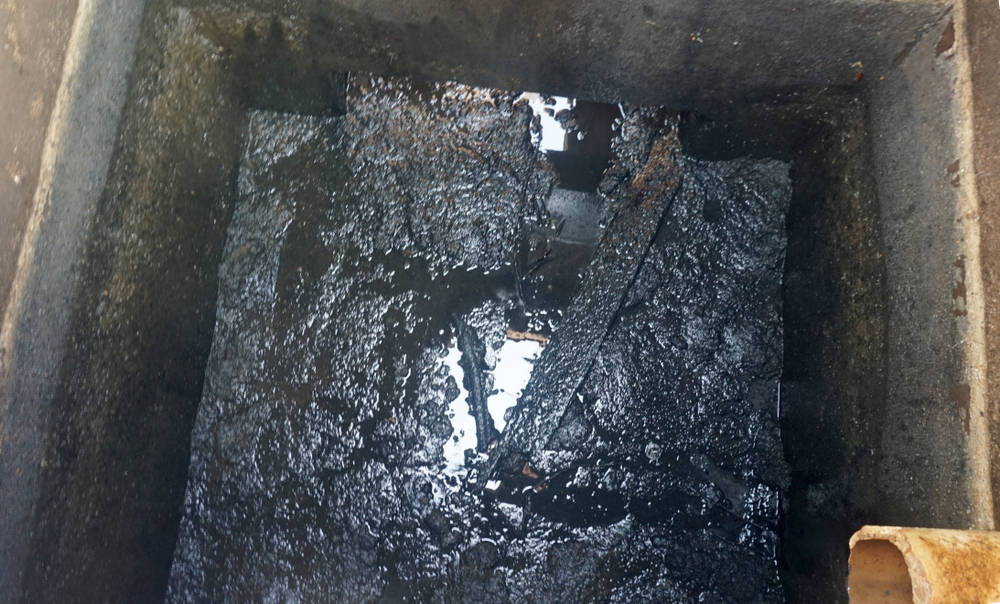
Wastewater sludge is the solid and semi-solid material that settles out during wastewater treatment or accumulates inside septic tanks over time. It contains organic matter, bacteria, nutrients, and other materials that separate from household wastewater.
As sludge builds inside a septic tank, it gradually reduces the available capacity for wastewater. Without routine pumping, solids can enter the drain field, leading to costly repairs and system failures.
How Wastewater Sludge Is Transported
Wastewater sludge is transported in specialized vacuum trucks designed to safely contain the material during transport. After removal, the truck remains sealed while traveling to an authorized receiving facility.
Drivers follow established procedures that help prevent spills and ensure waste reaches its intended destination. Facilities accepting wastewater sludge may include municipal wastewater treatment plants or other approved processing locations depending on local regulations and the type of material collected.
How Wastewater Sludge Is Processed
Wastewater sludge is processed using several treatment methods before final disposal or beneficial reuse. The exact approach depends on facility capabilities and regulatory requirements.
Thickening and Dewatering
The first step often removes excess water from the sludge. This reduces its volume, making transportation and further treatment more efficient.
Stabilization
Biological, chemical, or mechanical treatment reduces odors, pathogens, and the potential for decomposition. Stabilized sludge is safer to handle and manage.
Beneficial Reuse
Some treated biosolids may be used in approved agricultural applications when they meet strict regulatory standards. These materials can provide nutrients for certain crops while following environmental guidelines.
Landfill Disposal
If sludge cannot be beneficially reused, it may be transported to a permitted landfill that accepts approved wastewater residuals.
Additional Treatment
Some facilities use composting, anaerobic digestion, or other advanced treatment methods that further stabilize wastewater solids before their final use or disposal.
Local Impact
Improper wastewater sludge disposal can affect everyone in the Bethel area. Contamination may impact private wells, nearby creeks, agricultural land, and local wildlife habitats.
Responsible sludge management helps:
-
Protect groundwater used by rural homeowners.
-
Reduce pollution entering local streams.
-
Support healthier soil and water resources.
-
Prevent unpleasant odors and environmental hazards.
-
Maintain compliance with Ohio environmental regulations.
Warning Signs Your Septic Tank May Need Sludge Removal
Several warning signs may indicate sludge has accumulated to an unsafe level.
-
Slow draining sinks and tubs throughout the home.
-
Frequent toilet backups.
-
Sewage odors around the septic tank or drain field.
-
Standing water above the drain field.
-
Unusually lush grass over portions of the septic system.
-
Gurgling sounds in plumbing fixtures.
-
Sewage backing up into the house.
Ignoring these symptoms can increase the likelihood of expensive repairs.
When to Call a Professional
Professional sludge removal is recommended before solids begin leaving the septic tank and entering the drain field. While homeowners can monitor slow drains or unusual odors, the condition of sludge inside the tank requires specialized equipment and safe handling procedures.
Routine inspections are especially valuable for larger households, older septic systems, and properties throughout rural Clermont County that rely entirely on onsite wastewater treatment.
Common Local Causes of Excess Sludge Buildup
Several local factors contribute to faster sludge accumulation.
Large Household Water Usage
More occupants typically produce more wastewater, causing sludge to accumulate faster.
Older Septic Systems
Many rural properties throughout southwest Ohio have aging septic systems that benefit from regular inspections and pumping.
Improper Disposal Practices
Flushing wipes, grease, paper towels, and other non-biodegradable materials increases sludge buildup.
Heavy Rainfall
Seasonal storms common in the region can place additional stress on septic systems by increasing groundwater levels around drain fields.
Prevention and Maintenance
Routine maintenance is the most effective way to prevent wastewater sludge problems.
Homeowners should:
-
Schedule periodic septic inspections.
-
Pump tanks according to professional recommendations.
-
Avoid flushing products that do not break down easily.
-
Limit grease entering household drains.
-
Spread laundry loads throughout the week to reduce water surges.
-
Protect the drain field from vehicle traffic and heavy equipment.
Regular maintenance helps extend septic system life while reducing emergency service calls.
Expected Results After Professional Sludge Removal
Professional sludge removal restores storage capacity inside the septic tank and allows the system to function more efficiently.
While pumping does not repair damaged septic components, it can reduce the risk of backups, improve wastewater flow, and help protect the drain field when performed as part of routine maintenance.
Common Mistakes
Mistake: Waiting until sewage backs up before scheduling pumping.
Consequence: Drain field damage and more expensive repairs.
Better Approach: Schedule regular inspections and maintenance.
Mistake: Flushing wipes labeled as flushable.
Consequence: Increased sludge buildup and potential clogs.
Better Approach: Dispose of wipes in the trash.
Mistake: Pouring cooking grease down the drain.
Consequence: Faster accumulation of solids inside the tank.
Better Approach: Collect grease separately for disposal.
Common Local Scenario
A homeowner outside Bethel notices slow drains after several weeks of heavy rainfall. During inspection, the septic tank is found to contain excessive sludge that has reduced available capacity. After professional pumping and proper disposal, the homeowner receives maintenance recommendations that help reduce the likelihood of future backups.
Related Service Solutions
Several services work together to keep wastewater systems operating properly.
-
Septic tank pumping
-
Septic inspections
-
Wastewater sludge removal
-
Septic maintenance
-
Commercial wastewater pumping
-
Holding tank pumping
Comparing Your Options
| Option | Advantages | Considerations |
|---|---|---|
| Routine professional pumping | Protects the septic system and helps prevent failures | Requires scheduled maintenance |
| Waiting until problems appear | Delays immediate expense | Higher risk of costly repairs |
| DIY disposal | Not recommended | Unsafe and generally prohibited by regulations |
Service Areas
We proudly serve Bethel, OH, along with many nearby communities throughout Clermont County and surrounding portions of southwest Ohio. Whether your property is in Williamsburg, Batavia, Amelia, Felicity, Georgetown, or nearby rural areas, we help keep wastewater systems operating safely.
Cost of Ignoring the Issue
Delaying wastewater sludge removal can lead to septic backups, drain field damage, unpleasant odors, environmental contamination, and significantly higher repair costs. Regular maintenance is typically far less expensive than replacing major septic system components.
Frequently Asked Questions
Where does wastewater sludge go after removal in Bethel, OH?
Wastewater sludge is transported to an approved treatment or disposal facility where it is processed according to Ohio regulations before reuse or final disposal.
Can wastewater sludge be reused?
Yes. Some treated biosolids may be beneficially reused under strict regulatory guidelines when they meet required treatment standards.
How often should septic tanks be pumped in Clermont County?
Most residential septic tanks benefit from inspection every few years, although pumping frequency depends on household size, water usage, and tank capacity.
Is wastewater sludge hazardous?
Wastewater sludge can contain bacteria and other contaminants before treatment. Proper handling, transportation, and processing are essential for protecting public health.
Can heavy Ohio rainfall affect septic systems?
Yes. Heavy rainfall can saturate soil around drain fields, making septic systems less efficient and increasing the importance of routine maintenance.
What happens if sludge is not removed?
Excess sludge can leave the septic tank, clog the drain field, cause plumbing backups, and shorten the lifespan of the entire septic system.
Why can’t homeowners dispose of sludge themselves?
Proper disposal requires specialized equipment and compliance with environmental regulations designed to protect groundwater, surface water, and public health.
Does professional sludge removal help extend septic system life?
Yes. Regular sludge removal reduces strain on the septic system and helps protect the drain field from premature failure when performed as part of routine maintenance.
Closing
Understanding what happens after wastewater sludge leaves your property highlights the importance of professional handling from start to finish. Proper transportation, treatment, and disposal protect local water resources, support public health, and help keep septic systems working efficiently throughout the Bethel area.
Protect Your Septic System with Professional Wastewater Sludge Removal
Our team is committed to responsible wastewater handling from removal through proper disposal.